Yoga for Mental Health: Trainings & Continuing Education
Bringing together yoga therapy, contemporary science, and embodied approaches to inform professional practice.
Online + in-person in Minnesota
Explore yoga for mental health training through yoga philosophy, embodied practices, and contemporary science. Designed for counselors, therapists, yoga professionals, and other curious learners.
Explore how yoga therapy concepts and practices can broaden our understanding of intergenerational trauma, patterns, strengths, and resources. This experiential workshop introduces a multidimensional perspective on intergenerational experiences through reflection, guided practices, and discussion, with attention to cultural and ethical considerations.
Friday, January 29, 2027
9:00–11:30 AM CT
St. Paul, Minnesota | In person
Continuing education hours available for Yoga Alliance (YA) and the National Board for Certified Counselors (NBCC).
Registration and pricing details coming soon.
Inquire About Trainings & CEUs
Topics include trauma-informed yoga practices, yogic perspectives on human experience, patterns and strengths, embodied awareness, and the use of movement, restorative yoga, sound, and sensory experiences to support rest, self-exploration, and well-being.
Trainings may be offered online or in person in Minnesota.
Have a question about an upcoming course or professional education opportunity? Interested in having a training designed specifically for your team or organization?
Let’s talk about what you’re looking for.
Perspectives That Inform Our Trainings

Saṃskāras: The Impressions That Influence How We Experience the World
Why do some responses feel so natural that we rarely question where they came from? Yoga philosophy offers an intriguing way to understand these familiar influences through the concept of saṃskāras.
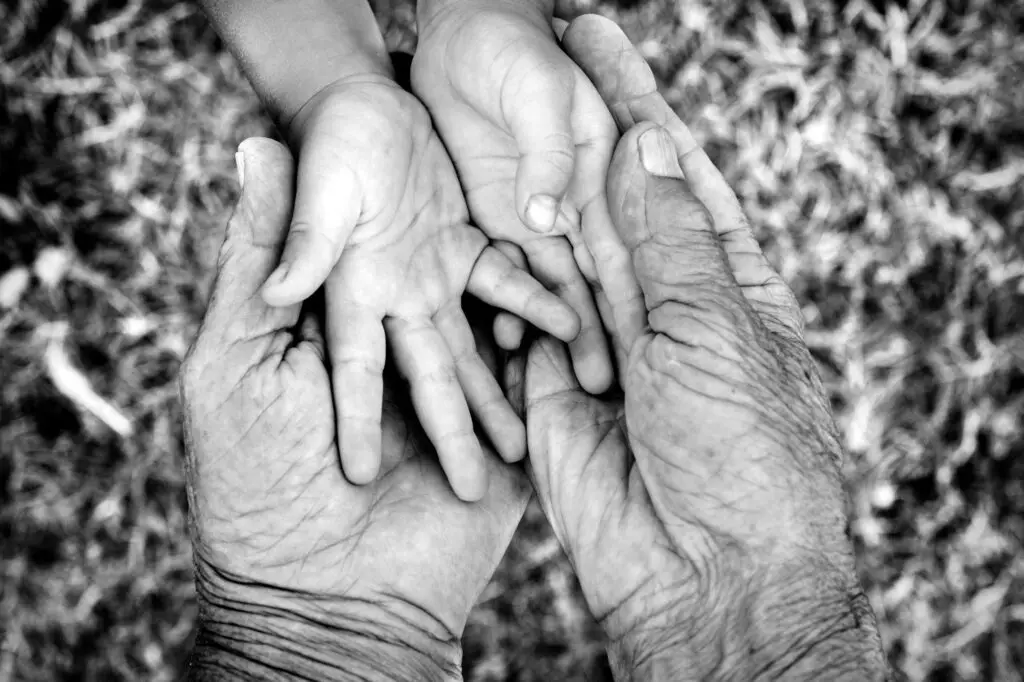
What Is Ancestral Healing? A Yogic Lens on Trauma, Strength & What We Inherit
What travels from one generation to the next? Trauma may be part of the story—but so are strength, creativity, traditions, humor, and ways of caring for one another. A yoga-informed exploration of ancestry, inheritance, and the choices we make about what comes next.

Every Family Carries Stories: Exploring the Echoes We Inherit
Through the lens of yoga philosophy, explore how traditions, memories, and inherited patterns continue to shape our lives—and when it may be time to let them go.

Yoga & Self-Forgiveness: Letting Your Light Back In
A grounded, gentle guide to loosening self-judgment with yoga—breath, reflection, and tiny actions to unhook from rumination and return to your light.

Yoga Nidra and Mindfulness: Two Powerful Practices for Better Sleep
Yoga Nidra and mindfulness each offer unique ways to support better sleep. Discover how these evidence-informed practices fit into healthy sleep routines and why lasting change comes through patterns and practices.

Why Rest Is Important for Burnout Recovery and Nervous System Regulation
Why does somatic yoga feel so different? Discover how movement, breath, and body awareness can help you notice tension, emotion, and patterns you may not have realized were there.

Why It’s Hard to Relax Into Rest: How Yin Yoga Supports Sleep and Stress Relief
When rest feels uncomfortable, the issue may not be effort but capacity. This article explores how Yin Yoga supports nervous system regulation, improves sleep, and offers a more accessible path into rest.
Somatic Yoga: Learning to Listen to Your Body
Why does somatic yoga feel so different? Discover how movement, breath, and body awareness can help you notice tension, emotion, and patterns you may not have realized were there.